Otomi Machine Embroidery Design: A Bold Statement for Craft Fairs
First Impressions and Market Mood
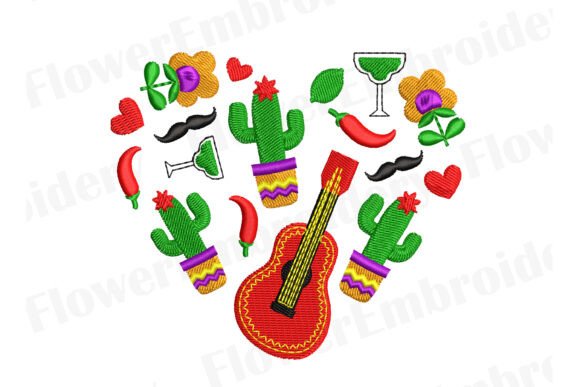
When I first laid eyes on the Otomi Machine Embroidery Design, it struck me as a perfect blend of bold and charming. The design feels like a vibrant piece of Mexican art that’s been thoughtfully adapted for machine embroidery. It's not just cute or farmhouse—it’s got a cultural flair that makes it stand out in a crowd of generic patterns. This kind of aesthetic resonates well with craft fair shoppers who are often drawn to unique, globally inspired handmade products.Where This Design Shines at Your Booth
- Tote Bags: The design adds instant appeal. Stitch it boldly on the front for a standout carry-all that screams personality.
- Aprons: Use it as a decorative panel near the pocket or as a small accent on the waistband. It brings a touch of global style without overwhelming the function.
- Tea Towels: These are a goldmine for embroidered kitchen items. The pattern looks especially good against light-colored cotton, where its details pop.
- Patches: If you're an Etsy seller or digital product creator, offering these as embroidered patches allows customers to personalize their own items. They’re easy to sell and transport.
- Caps: Curved surfaces can be tricky, so make sure to adjust placement carefully. The design works best when centered and scaled appropriately for the cap shape.
- Fabric Pouches: Whether they’re zipper pouches or simple drawstring bags, adding this design elevates them into a premium accessory. It pairs well with linen or organic cotton fabrics.
- Pillow Covers: These are always popular at fairs. A large-scale Otomi embroidery on the center of a square pillow cover becomes a focal point and instantly draws attention.
- Market Bags: Durable canvas or jute materials work well here. The design should be bold enough to be seen from across the aisle but still maintain clarity and crispness.
- Handmade Gifts: From coasters to oven mitts, the design brings a festive yet elegant feel. Perfect for holiday markets or gift-focused events.
- Booth Samples: Displaying a few finished items—like a tea towel set or a pair of embroidered tote bags—can give potential buyers a tactile sense of quality and style.
- Printable Mockups: For digital sellers, high-quality mockups showing the design on various products help customers visualize the final look before purchasing.
- Etsy Listings: Pairing photos of the design on different items with clear descriptions will help your shop stand out among competitors. It’s a versatile asset for multiple listings.
Practical Selling and Production Insights
Visibility at a Glance: One of the biggest selling points of this design is its strong silhouette. Even from a distance, the geometric shapes catch the eye, making it ideal for quick-purchase items like market bags or aprons.
Scale Flexibility: You can stitch it as a large focal point or scale it down for smaller accents. Either way, it maintains its charm. Just remember to test both sizes before going into production.
Photography Appeal: The design photographs beautifully, especially when stitched on neutral-toned fabrics. The contrast between the thread and the base fabric really helps it pop in online listings and social media ads.
Batch Production Readiness: Since this is a machine embroidery file, it’s repeatable and efficient. As long as you have the right hoop size and stabilizer, you can create multiple units quickly without sacrificing quality.
Things to Watch For When Producing
- Dense Stitch Areas: Some parts of the design may require extra stabilizer to prevent puckering, especially if you're using a textured towel or thick canvas.
- Tiny Details: The intricate lines and small elements might not show up clearly when scaled too small. Always check how the design looks on the intended product size.
- Lettering Clarity: If the design includes lettering, test it on different fabric textures and colors to ensure legibility. On dark fabrics, consider using lighter thread colors for better visibility.
- Curved Surfaces: Caps and curved market bags may distort the design slightly. Always do a trial run to see how the embroidery sits on the surface and adjust accordingly.
- Dark Fabric Contrast: While it can work on darker bases, the design needs thread colors that provide enough contrast to remain visually appealing.
- Small Shop Product Fit: The design is ideal for small-batch runs. But if you plan to offer commercial embroidery products, double-check the licensing agreement to avoid any legal hiccups later.
Boosting Visual Appeal and Customer Engagement
By using this design consistently across your product line, you can build brand recognition and reinforce a cohesive aesthetic. It also enhances the handmade quality of your items by giving them a personalized, artisanal touch. Customers love knowing that each piece is crafted with intention and care.Designer Notes for Real-World Success
- Test on Scrap Fabric: Try stitching the design on a sample of your planned fabric. This will let you see how the stitch density affects the material and whether it drapes well after embroidery.
- Check Thread Colors: Make sure the color palette complements your chosen fabric. Sometimes adjusting one or two threads can dramatically improve the overall look.
- Review Spacing: Especially if you're planning to repeat the design (like on a patch strip), spacing is critical to avoid overcrowding and maintain visual balance.
- Confirm Hoop Size: If the design is larger than your standard hoops, you'll need to adjust your workflow or invest in a bigger hoop to maintain efficiency.
- Inspect Stitch Density: Dense areas might require backtracking or additional stabilizer. Don’t skip this step if you want your finished product to look clean and professional.
- Use the Right Stabilizer: Depending on your fabric choice, you may need tear-away, cut-away, or wash-away stabilizers. Choose wisely based on the texture and weight of your material.
- Create a Real Mockup: Before producing multiples, make one real item and photograph it under natural lighting. This will serve as your printable mockup reference and help you fine-tune presentation.
- Compare Fabric Colors: Test the design on three different fabric tones to see which ones highlight its features the most. This will guide your inventory choices and marketing angles.
- Confirm Commercial Licensing: If you're planning to sell the finished product, always verify that the digital embroidery file comes with commercial use rights. Otherwise, you risk legal issues down the line.