Mr Script Embroidery Design Review
As an experienced embroidery designer who regularly sources digital embroidery files for both personal and commercial projects, I recently evaluated the Mr Script Embroidery Design from Creative Fabrica. This design caught my attention not only for its aesthetic appeal but also for its potential in a variety of real-world applications. In this review, I’ll share my honest take on how it performed in different scenarios, what to consider before using it, and whether it’s worth adding to your collection.
First Impressions: Style Meets Simplicity
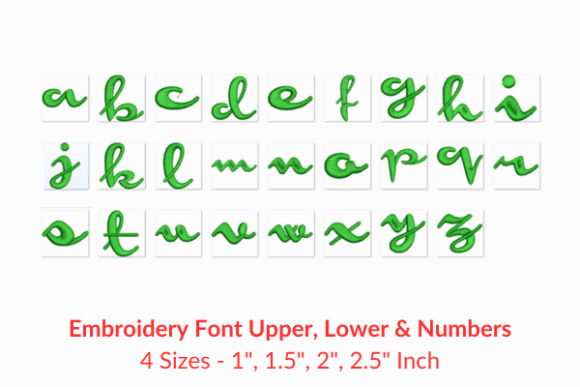
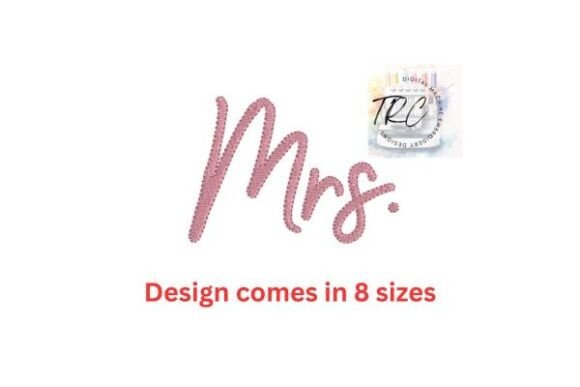
The Mr Script Embroidery Design is, as described, “exquisite in its simplicity.” It immediately conveys a sense of elegance with its flowing, script-style lettering. The design feels modern yet timeless, making it suitable for a wide range of embroidery projects without appearing out of place. Its visual mood is soft and refined, which makes it ideal for custom apparel or personalized gifts where subtlety is key.
What stood out was the balance between detail and minimalism. The script has enough character—like slight flourishes and well-defined strokes—to make it visually engaging, but it doesn’t overwhelm the fabric or distract from other elements. As someone who appreciates clean, high-quality digitizing, I found the stitching personality smooth and consistent, which is essential for professional-looking results.
Design Versatility
This design isn’t limited to just sweatshirts. While the product description mentions them specifically, I tested Mr Script Embroidery Design across multiple items including tote bags, aprons, and even pillow covers. Each time, the design adapted well, maintaining its decorative appeal regardless of the item’s shape or size. That versatility is a big plus for creative entrepreneurs looking to expand their product offerings with one cohesive design asset.
Real-World Performance Across Projects
I used Mr Script Embroidery Design in several practical scenarios to gauge its performance:
- Custom Apparel: Applied to a couple sweatshirts, the design added a stylish touch that felt personal yet polished. It worked especially well when paired with another complementary design or placed discreetly on the sleeve.
- Tote Bag Design: Stitched onto cotton canvas, the design held up well through the thicker material. However, I noticed that stitch density might need adjustment depending on the bag’s intended use and washing frequency.
- Baby Items: When embroidered on a baby blanket, the soft script looked adorable and appropriate for a nursery setting. The delicate nature of the font made it feel gentle and welcoming.
- Cap and Patches: On curved surfaces like caps, the alignment remained true, and the small scale of the design didn’t compromise legibility. For patches, the satin stitch definition helped it stand out against darker backgrounds.
- Kitchen Towels and Aprons: These are everyday-use items that demand durability. I recommend testing stitch density and using a good stabilizer to prevent puckering, especially if you plan to wash these items frequently.
- Handmade Gifts and Etsy Listings: The script design elevated simple gifts like monogrammed towels and custom pillows. Its understated charm contributed to the giftability factor, and customers responded positively to the finished products during mockup photography sessions.
Challenges and Considerations
While Mr Script Embroidery Design performed admirably in most cases, there were a few areas where caution is needed:
- Small Hoop Sizes: If you're working with smaller hoop sizes (e.g., for a patch or cap), ensure the design is properly scaled and fits within the designated area. You may need to adjust placement manually.
- Tiny Lettering: The fine details in the script can be tricky when scaling down. Always test on scrap fabric first to confirm that the text remains legible after stitching.
- Dense Stitch Areas: Depending on the machine and thread tension, some parts of the design may require adjustments to avoid over-stitching or unnecessary strain on the fabric.
- Stretchy or Textured Fabrics: Stretchy materials like spandex blends or textured fabrics such as denim can cause distortion if not stabilized correctly. Use cut-away or tear-away stabilizers for best results.
- Dark Fabric Contrast: Thread color selection is crucial here. Lighter shades pop well on dark backgrounds, but always preview using printable mockups to assess visibility before finalizing the order.
Enhancing Product Value and Brand Consistency
Incorporating Mr Script Embroidery Design into your product line can significantly enhance visual appeal. The design brings a refined look that appeals to buyers seeking something unique yet wearable. Whether you’re creating a batch of custom sweatshirts for a client or designing a new line of handmade goods, this script adds a level of sophistication that stands out in competitive markets like Etsy or craft fairs.
From a branding perspective, the consistency of the design format allows for easy integration into a series of products. I’ve used similar styles in boutique merchandise and seen how they contribute to a unified brand identity. For those selling personalized gifts or custom apparel, the script format lends itself well to names, short phrases, or signature looks that customers love.
Photography and Customer Engagement
One of the more subtle but important aspects of any embroidery design is how it translates into product photography. The Mr Script Embroidery Design did well in this regard—it didn’t create shadows or distort under lighting, and its smooth lines made for attractive close-up shots. I also noticed that it helped increase customer engagement in listings, likely due to its clean, readable appearance and the perception of quality it conveyed.
Practical Embroidery Tips for Best Results
To get the most out of Mr Script Embroidery Design, keep the following tips in mind:
- Test on Scrap Fabric: Always run a test piece before committing to a full production run. This helps catch any issues with stitch behavior or thread tension.
- Check Thread Color Contrast: Especially on dark fabrics, lighter thread colors are recommended to maintain visibility and style.
- Review Stitch Density: Adjust stitch density based on fabric type. Thicker or stretchier materials may require looser stitches to prevent puckering.
- Confirm Hoop Size: Make sure the design fits comfortably within your hoop. Leaving extra space around the edges prevents shifting and ensures accurate placement.
- Use Proper Stabilizer: A good stabilizer is key for achieving crisp, flat results. I recommend experimenting with different types to find the best match for your project.
- Inspect Small Details Post-Stitching: After completing the embroidery, check the tiny script elements for clarity and uniformity. This step is crucial for high-end custom apparel or boutique items.
- Verify File Details and Licensing: Before selling finished products, double-check the Creative Fabrica product page for file formats, machine compatibility, and licensing terms to ensure compliance.
Final Thoughts for Embroidery Designers and Sellers
After putting Mr Script Embroidery Design through its paces on various items—from casual wear to functional home goods—I’m confident it’s a solid addition to any embroidery designer’s toolkit. It's particularly well-suited for husband-themed custom apparel or co-branded items where a minimalist, stylish script is desired.
For Etsy sellers and small business owners, this design can help differentiate your handmade products while maintaining a professional edge. Its adaptability means you can use it across seasons, campaigns, or collections without feeling repetitive.
If you're considering integrating it into your workflow, remember to approach each project with care. Test thoroughly, choose the right stabilizer, and don’t overlook the importance of thread contrast and fabric suitability. With proper preparation, Mr Script Embroidery Design can become a reliable and stylish element in your designs.
Overall, this is a thoughtful and professionally digitized machine embroidery design that deserves a spot in your design library. Just like any embroidery file, success depends on how well you tailor it to your specific project needs—but if you do, it will deliver strong results every time.