Aztec Kilim Embroidery Geometric Pattern: A Designer’s Perspective
As an experienced embroidery designer and product reviewer, I approach every new embroidery file with a critical eye. The Aztec Kilim Embroidery Geometric Pattern caught my attention for its bold, ethnic-inspired geometry and seamless layout. But beyond the initial appeal, what really matters is how it translates into real-world projects—how it looks after stitching, how it performs on different fabrics, and whether it adds value to your handmade products or commercial embroidery. Here's my honest take.
First Impressions and Design Mood
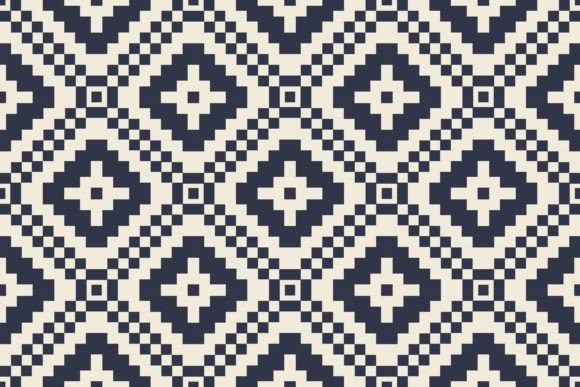
The Aztec Kilim Embroidery Geometric Pattern immediately evokes a sense of cultural richness and modern minimalism. Its blue-white color palette feels fresh and timeless, making it adaptable across various styles—from bohemian to contemporary. The pattern is based on a cross-stitch motif that creates a strong visual rhythm without overwhelming the viewer. It doesn’t scream for attention; instead, it invites a closer look, revealing subtle variations in the geometric forms as you examine it more closely.
What stands out is the seamless nature of the design. This means it can be tiled or repeated across larger surfaces like pillow covers or fabric panels without visible breaks or misalignment. For someone working on home décor items or custom apparel, this is a big plus. The pattern also has a strong identity that works well for branding purposes, especially if you're targeting niche markets like artisanal fashion or interior design-focused Etsy sellers.
Visual Personality and Project Fit
This pattern is not shy—it makes a statement. It would naturally belong on a tote bag, sweatshirt, or even a baby blanket where you want the design to stand out but remain elegant. The repetitive motifs suggest it could function both as a background element and a standalone feature depending on the placement and scale.
I see it fitting particularly well into:
- Tote bag designs with a global or tribal aesthetic
- Sweatshirt embroidery for boutique lines or personalized gifts
- Nursery decor, such as embroidered wall hangings or aprons
- Holiday gifts like tea towels or embroidered patches
- Custom apparel for small shop merchandise with a handmade touch
Real-Life Embroidery Performance
Embroidery is as much about the end result as it is about the process. When considering how the Aztec Kilim Embroidery Geometric Pattern might perform in actual use, several factors come into play:
Stitch Clarity and Layout
The design uses a combination of satin stitch and running stitch elements, which gives it definition while maintaining a clean, flat appearance. The level of detail is just right—not too intricate that it becomes hard to follow, yet enough to create interest. As long as the stitch density is properly adjusted for the fabric type, the outcome should be crisp and professional-looking.
Thread Color Contrast and Fabric Compatibility
The blue and white thread colors work beautifully together, especially on lighter backgrounds. However, before using this pattern on any project, it's essential to test the thread color contrast against your chosen fabric. While it's a versatile machine embroidery design, dark fabrics may mute the impact, and thin or stretchy materials could distort the shapes slightly.
I recommend using a medium-weight cotton or linen blend for best results. These fabrics hold stitches well and allow the geometric forms to pop. If you’re planning to embroider onto something like a kitchen towel or pillow cover, make sure the stabilizer is appropriate for the fabric texture. Too little support can lead to puckering, especially in dense areas.
Customer Reaction and Market Appeal
From a craft business perspective, the Aztec Kilim pattern has strong visual appeal. Customers tend to gravitate toward patterns that are unique but still wearable. This one hits that sweet spot—it’s ethnic enough to feel special but simple enough to complement most styles. Whether you're an Etsy seller or part of a small shop product line, this design could help elevate your offerings and add a signature touch to your design assets.
However, keep in mind that the pattern’s strength lies in its repetition. On smaller items like caps or patches, you’ll need to adjust the scale so it doesn’t become lost or overly busy. The same goes for curved surfaces or areas with detailed corners. Always inspect the pattern in a printable mockup or digital preview to get a realistic idea of how it will appear post-embroidery.
Where to Use with Caution
While the Aztec Kilim Embroidery Geometric Pattern is versatile, there are specific scenarios where extra care is needed:
- Small hoop sizes: The pattern’s details may not render clearly if scaled down too much. Test it first on scrap fabric to ensure no important elements are compromised.
- Textured or stretchy fabrics: The design relies on clean lines, which can become distorted on uneven or elastic materials. Stick to stable, woven textiles for clarity.
- Layered garments: Placing this pattern on the inside of a garment (like a sweatshirt lining) might reduce visibility. Consider using it on outer-facing areas for maximum effect.
- Dense stitch areas: If the design includes tight fill stitch sections, they may cause stiffness or wear over time, especially on frequently washed items like baby clothes or aprons.
- Products needing frequent washing: High-density embroidery can affect durability. Always check how the design holds up through multiple wash cycles before offering it as a finished product.
Design Value and Branding Potential
One of the things I appreciate most about this pattern is its ability to enhance the perceived value of a product. Used correctly, it can transform a basic tote bag design into a standout piece or turn a simple holiday embroidery gift into something truly memorable. Its boldness and symmetry give it a professional edge that can reflect well on your brand, especially if you're aiming for a handmade presentation with consistent style.
For creative entrepreneurs and digital product sellers, this pattern offers great flexibility. It can serve as a decorative accent or a full-pattern backdrop, depending on the project. The ethnic vibe also opens doors for themed collections, such as boho-chic home goods or wedding gifts with a cultural twist.
Professionalism and Giftability
When used on high-quality materials and stitched cleanly, the Aztec Kilim Embroidery Geometric Pattern exudes professionalism. It’s the kind of design that makes customers feel like they’re purchasing something unique rather than generic. For personalized gifts or custom apparel, the pattern can subtly reinforce the thoughtfulness behind the item without overpowering names or other text elements.
Designer Notes for Practical Use
Before committing to production or client projects, here are some practical steps I always take when evaluating a machine embroidery design:
- Test on scrap fabric: Get a physical sample to assess stitch quality, tension, and overall look.
- Review stitch density: Adjust for fabric type to avoid distortion or stiffness.
- Confirm hoop size: Make sure the pattern fits within your machine’s capabilities and won’t require awkward trimming.
- Inspect small details: Check for tiny lines or points that might break during embroidery or lose their shape on certain fabrics.
- Use proper stabilizer: Especially on delicate or stretchy materials, the right backing material can save a project.
- Check lighting conditions: Sometimes the pattern looks better in natural light or under LED lighting—test both if possible.
- Compare light and dark fabric backgrounds: See which gives the best contrast and visual balance.
- Verify licensing: Before selling finished items or digital files, confirm that the pattern allows commercial use. This is crucial for craft fair products and small shop merchandise.
Final Thoughts
The Aztec Kilim Embroidery Geometric Pattern is a solid choice for designers looking to add a cultural, artistic flair to their embroidery project. It brings character to otherwise plain textiles and can serve as a foundation for cohesive branding in your handmade shop or online store. But as with any embroidery graphics, success depends on thoughtful application and understanding of your materials and audience.
If you’re considering this pattern for a real project, take the time to experiment. Try it on a few different fabric types and scales. Look at how it interacts with other design elements like names or logos. And remember—while the pattern speaks for itself, your execution defines its impact. With the right care and creativity, the Aztec Kilim pattern can become a valuable asset in your design portfolio.